
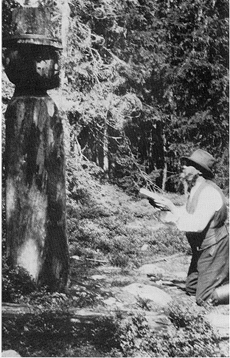
In Syktyvkar, participants of the XXIX International Finno-Ugric Conference (IFUSCO) became acquainted with the phenomenon of the pagan revival in Finland. The student Heli Jaakkola, from the University of Turku, made a presentation on modern Finnish neo-pagans in the ethnography committee on May 6th.
As it turned out, the Finnish neo-pagan movement emerged relatively recently. Their organization, Taivaannaula, began its activities in 2007, but it is not yet registered in Suomi. The number of adherents to neo-paganism, which in Finnish is called “Suomenusko” (literally “the Finnish faith”), does not exceed 100 people. Neo-pagans celebrate certain holidays related to the changing of seasons, worship long-known sacred stones and trees, and carve wooden statues of the gods of the ancient Karelian-Finnish pantheon, recorded particularly in the epic Kalevala.
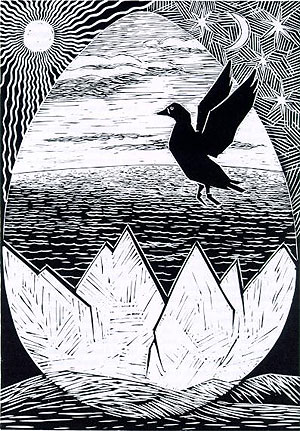
However, neo-pagans believe that Elias Lennrot, who created the Kalevala, significantly distorted the original meaning of the ancient runes, so they are trying to study surviving records of Finnish runes, songs and legends, which scholars regard as authentic folk material.
Among the gods worshiped by neo-pagans are Ukko, the god of the sky and thunder; his wife Akka, the goddess of fertility; Ahti, the god of the sea; Tapio, the god of the forest; and Pekka, the god of harvest. They also recognize the existence of the evil ruler of Pohjola (North), Louhi, who spreads diseases, and a number of other divine and legendary characters, including Väinämöinen, the cultural hero known from runes and the Kalevala, and the epic hero Lemminkainen. After death, people’s souls go to an afterlife land called Tuonelu.
As H. Yaakkola explained, Suomenusko is precisely neo-paganism, as the tradition of passing on Finnish traditional religion was interrupted after Christianization. According to her, if you make comparisons, you will see that the Estonians have done a much better job of preserving their traditional faith, Maausk, which also includes a pagan pantheon, the worship of sacred stones, trees, groves, and springs. In general, the traditional religions of the Finns, Estonians, Karelians and Vepsians were very similar.
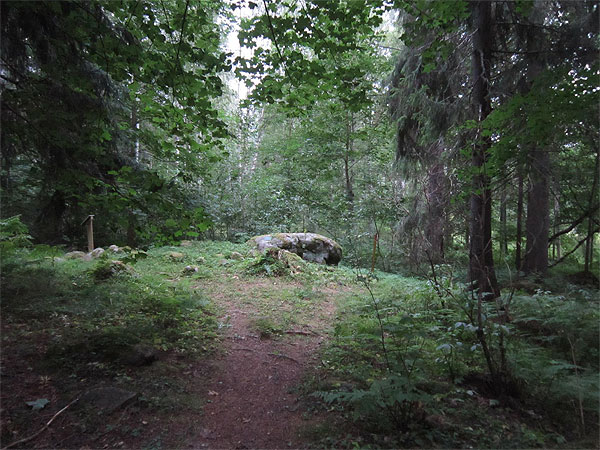
Among other Finno-Ugric peoples, one should note the Maris, who have preserved as a continuous tradition the national religion, Yumyn yÿla, and the Udmurts, who have also retained their ancestral faith.
The Finnish neo-pagan website Taivaannaula
The Suomenusko group on Facebook