
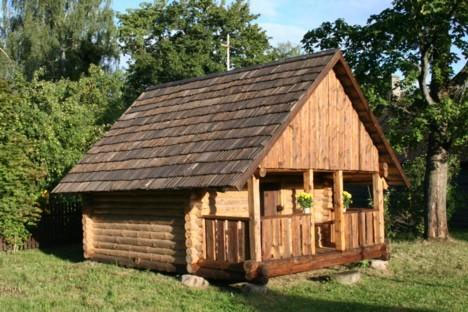
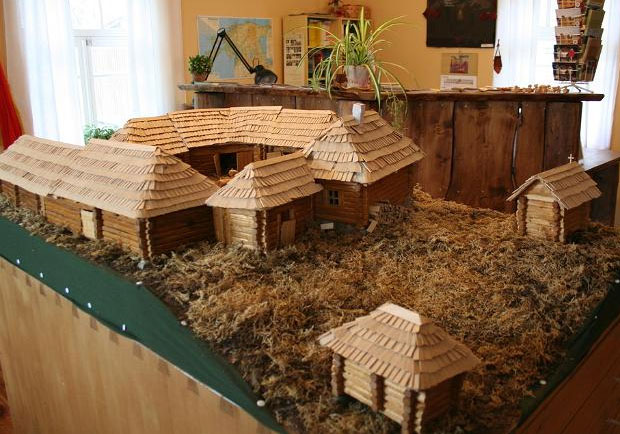
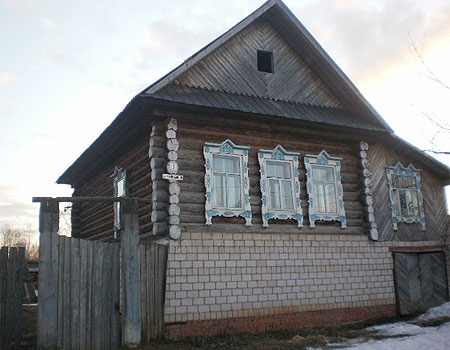
 The Jury of the International program “Finno-Ugric World Capital of Culture 2014” has chosen three finalists out of eight candidates in the contest of communities in Finno-Ugric countries and regions. They are the Seto village of Obinitsa in the Setomaa region of Estonia, the Karelian village of Veshkelitsa of the Suoyarvsky region of Karelia, and the Udmurt village Stariye Bygi in the Sharkansky district of Udmurtia – information about the results of the intermediate stage were confirmed by program creator, and member of the board of the Youth Association of Finno-Ugric Peoples (MAFUN) from Estonia, Oliver Loode.
Mr. Loode explained that the second round for selection will be held in Moscowat the Estonian embassy on the 8th of July. This step will consider presentations of the communities that made it to the final.
The name of the capital of culture will be officially announced at the XI MAFUN Congress, taking place the 5-7 of August in Helsinki. MAFUN is the initiator and organizer of the program “Capital of Culture of the Finno-Ugric world.”
 The program is aimed at expanding community activities and local self-management bodies for the strengthening of identity, solidarity, and the image of Finno-Ugric peoples in places they traditionally inhabit on the international level. Various villages traditionally inhabited by Finno-Ugric peoples decided to take part in the competition, with the stipulation that government capitals and administrative centers were not allowed.
***A bit later we were informed by the project bureau that the jury was composed of five representatives of Finno-Ugric regions, and prominent members of the Finno-Ugric cultural world: the singer and head of the Interethnic Friendship House of Udmurtia Nadezhda Utkina, writer and chairman of the Assembly of Native Small Numbered Peoples of the North in the Duma of the Khanti-Mansi Autonomous Okrug, Yeremey Aypin, musician and founder of the folk group Sattuma, Arto Rinne (Karelia), actress and director-producer Anne Türnpu (Estonia). The jury is headed by MAFUN president Vasily Nemechkin (Mordovia).
The jury and organizing committee of the program bureau decided that all three nominated villages are strong competitors in that their entries reflect their total preparedness to have the status of a capital of culture of the Finno-Ugric world throughout 2014.
Each entry is composed considering private priorities for development of the village population in terms of a cultural “heart” of the Finno-Ugric world. For example, the basic theme of the year-long program presented by the village of Veshkelitsa is carrying out celebrations, festivals, conferences and other events aimed at preserving language, tradition and culture of the native population, while the plan presented by the village of Obinitsa focuses on strengthening the cultural heritage of the ancestors of the modern people – we’re studying and studying in the Finno-Ugric world all together. The village, Bygi is also taking a modern approach – developing of a cluster of Finno-Ugric culture, uniting and developing the cultural capital of Finno-Ugric culture by using unique and traditional culture, implementing innovations and creative marketing, improving managing skills of operators, prominent figures and employees of cultural institutions, and stimulating exchange of successful experience in the sphere of culture and tourism.
The entries also indicated the planned number of activities within the year long program and number of people who will be coming. In this case, Obnitsa is in the lead, in whose plans 20 events will be organized, attracting 30,000 people, while in the plans of Bygi and Veshkelitsa there are 12 events, attracting less than 5,000 people.
All entrants are considering the carrying out of an International program with regional audience, the confirmation of which is the support of entrants of regional bodies of state power, representatives of Finno-Ugric noncommercial organizations, and government institutions.
According to the conditions of the programs, entrants can be noncommercial organizations, as well as municipalities. In this case, there are also some differences, as the entrants from Obnitsa and Veshkelitsa are noncommercial organizations (Seto Culture Fund, Karelian Regional Societal Organization of Ethnocultural Traditions of the Karelians “Native Hearth” (KROO “Native Hearth”)), and the entrant from Bygi is the administration of municipal education (MO “Byginskoe”).