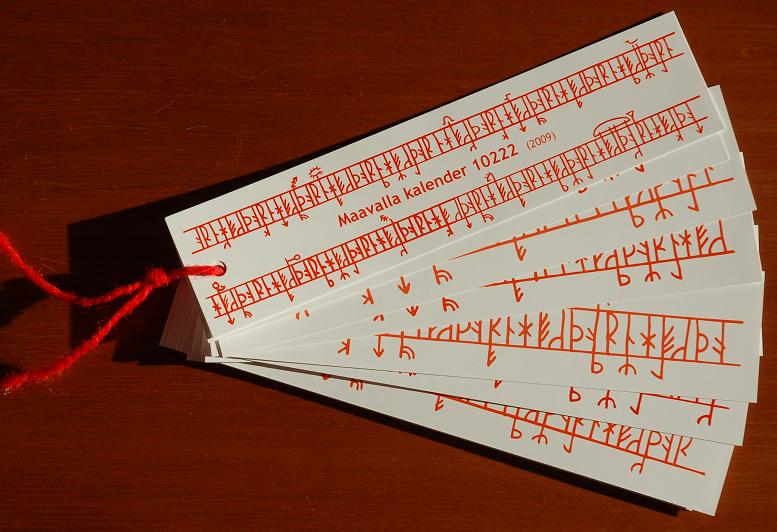
The government of Estonia is considering a number of amendments to the country’s laws aimed at improving the protection program for holy sites of the Estonian traditional religion Maausk (“Native Faith”). The FINUGOR Infocenter was informed of this by Estonian Traditional Religion activist from the Maavalla Koda community and coordinator of the International Consulting Committee of Finno-Ugric peoples from Estonia, Andres Heinapuu.
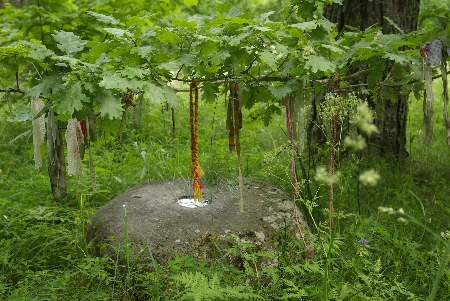
He explained that at present, in Estonia there are 500 places with sacred meaning for Estonian Traditional Religion adherents under government protection. They are protected in two ways: both as natural objects and historical, archeological and cultural sites. All the same, the effect of the previously adopted government program for protection of natural holy sites will end this year, which is why Estonian Traditional Religion activists have initiated the introduction of amendments to the law on protected natural areas and historical-cultural monuments with the goal of creating a truly new type of protected area – areas holy to Maausk. Worshippers from Maavalla Koda recommended passing a separate law for places holy to Maausk, transferring management of these areas to a new government body and beginning a new program to protect and care for them. “But we understand that this is unrealistic due to the current abilities of the Estonian government, which is why we have decided to due this via amending the existing laws,” noted the interviewee.
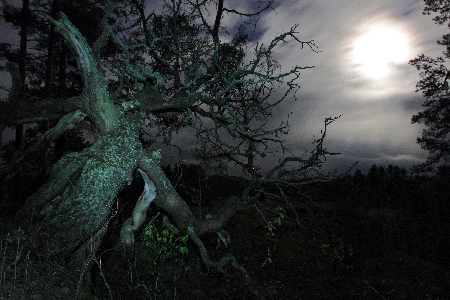
“The essence of our recommendations is to better protect holy places, and make them more convenient and available for Maausk believers. If other historical sites are dead, our holy groves are alive, and people walk in them. At the same time, if we’re talking about something in a natural park, for example a holy grove then it is closed off without special permission, you can’t build a fire pit, etc. And if it’s an archeological site, archeologists could come along one day and dig it up, in other words, destroy it, but to us it’s a holy place,” explained Mr. Heinapuu.
He told us that for now the initiative of the Estonian Traditional Religion adherents has come up against the normal bureaucratic delays. “No one wants to have one of these places in their own back yard,” noted the activist in relation to the position of the state agency responsible for protecting natural areas and historical-cultural sites.
They were also unable to speed up the process of getting their amendments adopted in parliament. “We tried to give this amendment project to a lawmaker with the goal of getting it into parliament quicker and discussed, but for some reason no one wanted to deal with this issue. As a result, it will have to go the normal way. Now there are negotiations going on in the government, and that takes a very large amount of time and I don’t know when the amendments will get to parliament,” summarized Mr. Heinapuu.
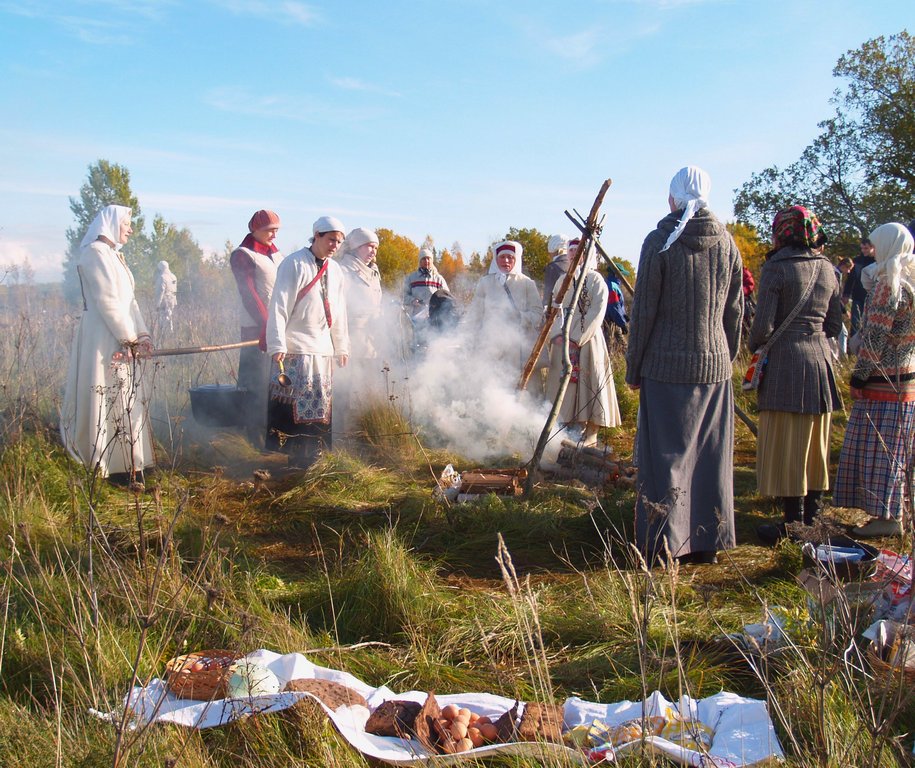
*** According to Eurobarometer data, in 2005 Estonia has the lowest percentage of any European country that believe in one God – just 16 percent. At the same time, Estonians are also different for their belief in various supernatural forces around people – that number is 54 percent.