
The 6th forum of the Finno-ugric print media of theRussian Federation was held inYoshkar-Ola on 19-21 June. More than 70 journalists from Mari El, Bashkortostan, Karelia, Komi, Mordovia, Udmurtia, Nenets and Khanty-Mansi Autonomous districts,Moscow andKazan met there. The general theme of the discussion was «Finno-Ugric mass media in the conditions of the development of new information technologies. Experience, problems and solutions» - reports the internet-journal «Arslan».
One of the chief organizers of the forum was the Russian Association of Finno-Ugric journalists (RAFUJ), founded inYoshkar-Olain 2003. During the meeting the questions of existing of Finno-Ugric press were discussed.
The forum was opened by the chairman of the RAFUJ and the chief editor of the republican newspaper «Mari El» Alexander Abdulov, who reported on the work of the RAFUJ in recent years. The welcoming speech was delivered by the Deputy Prime Minister and Minister of the press, culture and nationalities of Mari El Mikhail Vasyutin. He read out a welcoming speech on behalf of the head of the Republic.
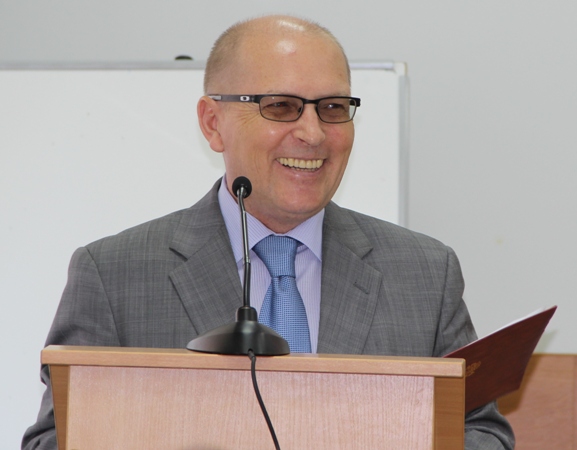
The «Mari Onjya» – the Deputy Chairman of the State Assembly of the Mari El Anatoly Ivanov – also wished success to the Forum of Finno-Ugric journalists and expressed gratitude to Nikolay Ishutkin, who is the chief editor of the Erzyan children's magazine "Chilisema", published in Mordovia, in honor of his 60th birthday on behalf of the state Assembly.
In turn, the Finno-Ugric journalists sent their greetings to the participants of the 5th forum of the regional and national media, which was held simultaneously inKazan.
It was very to informative listen to the Vice President of the international EurasianAcademyof television, radio and print Kipras Mazheiku within the framework of the Forum of Finno-Ugric mass media. He spoke about “the role of mass media in the system of strengthening of interethnic unity”. According to the well-known international journalist, a censor must be inside of a journalist, and it is time to make revolution inside our minds. Today a reader, listener, viewer and user values estimated-analytical presentation of information. Also, a new economy of news – so called «newsonomy» – is developing.
Guests from Kazan – the candidate of historical Sciences Ruslan Bushkov, the secretary of the Union of photographers of Russia Valery Pavlov, the trainee of Kazan Federal University Ikura Kuwajima - presented the topic «Visualization of modern ethnic communication».
Other performances were useful too. The employee of the Center of innovative language technology of the KomiRepublicanAcademyof state service and management Andrey Chemyshev spoke about "the Use of free software in the publication of Newspapers and magazines". It’s remarkable that his report contained the idea that “we pay a lot of money for air when it possible to use free software”.
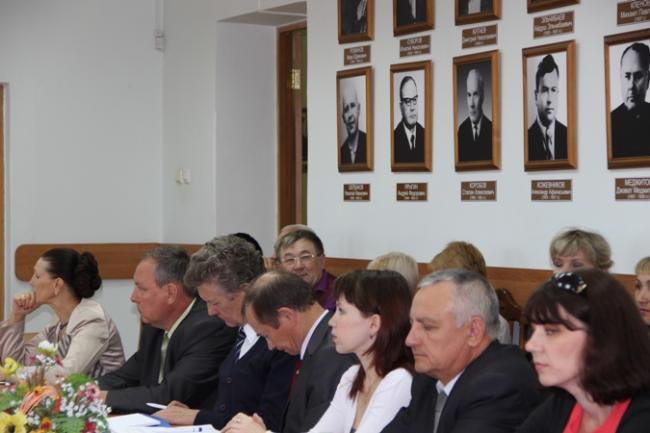
Chief editor of the newspaper "Udmurt Dune" Zinaida Ryabinina showed the possibilities of social designing in order to attract readers on the example of her newspaper.
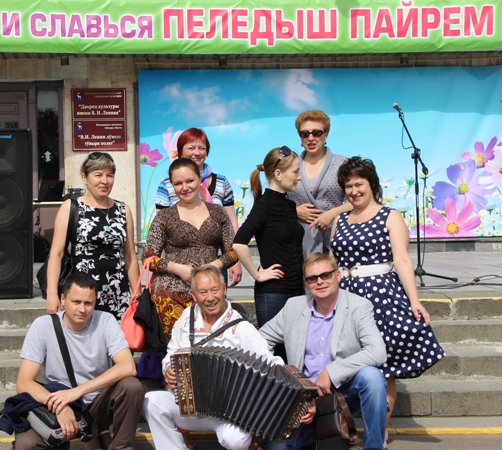
And during the round table representatives of different Finno-Ugric publications shared their experience.
At the end of the forum the final documents were adopted and the elections of the President and members of the Secretariat of the RAFUJ were held. Above-mentioned N. Ishutkin was elected as the President.
On the first day of the forum (June 19) the presentation of a book of the people’s writer of Udmurtia Vyacheslav Ar-Serga "Муралте, куку, муралте…" ("Sing, little cuckoo, sing..."), translated from Udmurtian into the Mari language, was held. The exhibition of the Finno-Ugric photographers was also held within the framework of the forum.
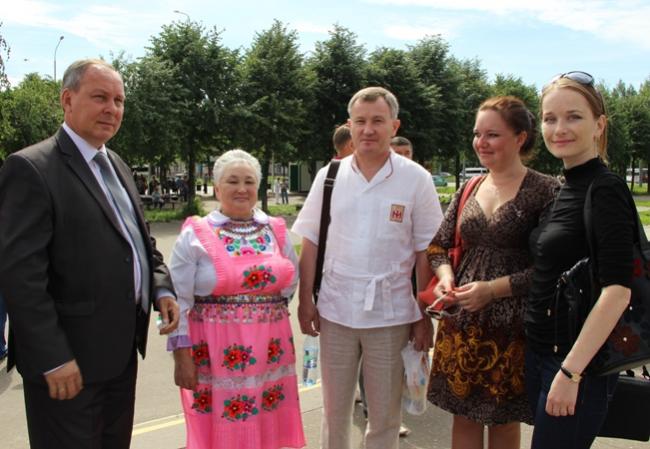
On the whole, the participants of the 6th Forum of the Finno-Ugric mass media of theRussian Federation appeal their colleagues to continue their professional activities aimed at further development of the mass media, the preservation and development of languages, cultures and traditions of our ancestors.